Dedicated to bridging language barriers, I provide precise and reliable translations for medical professionals and patients.


5
Years of ExperienceMonika

About Me
I have a friendly and conscientious personality with experience as a pharmacist, committed to optimizing medication therapy and promoting positive health outcomes within the framework of the Egyptian Ministry of Health. I am a highly accurate and detail-oriented medical and general translator, providing high-quality translations between English and Arabic. I have a proven ability to maintain the integrity and nuances of original texts while meeting strict deadlines. My expertise includes translating areas such as clinical trials, patient information, medical devices, marketing materials, as well as scans, medical reports, and blood analysis.


My expert
areas
I am a pharmacist and medical translator with experience in pharmaceutical practice, quality healthcare, and clinical translation. I have worked in pharmacies, healthcare institutions, and medical research, ensuring accurate medication management and compliance with healthcare standards.
Beyond pharmacy, I specialize in medical translation, particularly in clinical trials, medical reports, and pharmaceutical documentation. With expertise in CAT tools, Pharmafly, and Microsoft Office, I deliver precise and professional translations that support the medical field.
-
CAT Tools Translation
-
Pharmafly Programme
-
Microsoft Publisher
-

Microsoft Office
-
2024 - Present Egyptian Ministry of Health
Coordinator of the Drug Committee
-
2022 - Present the Egyptian Ministry of Health
Pharmacist
-
2021 - Present Dr. Abu Elala pharmacy
Pharmacist
-
2020 - 2021 Dr. Mervat saad pharmacy
Pharmacist
-
2020 - 2021 Private Tutor
Science
-
2019 - 2020 Dr. Eci pharmacy
Pharmacist
-
2023 - 2024 AASTMT
Quality Healthcare Diploma
-
2014 - 2019 Alexandria Univercity
College of Pharmacy
Services
I Provide
-
01
Medical Translation
Professional translation of medical reports, clinical trials, and pharmaceutical documents with high accuracy.


- Expert translation of medical reports, clinical trials, and healthcare documents.
- Proficient in CAT Tools to ensure consistent medical terminology.
- Specialized in translating laboratory and imaging test results, including: Liver and kidney function tests Cancer biomarkers MRI, CT scans, and ultrasound reports
-
02
Pharmaceutical Consulting
Professional pharmaceutical consulting for healthcare providers, drug management, and medication safety.

- Consulting services for pharmacies, healthcare institutions, and drug safety protocols.
- Assisting with pharmaceutical product evaluation and medication management.
- Training on proper medication use and patient counseling.
- Monitoring drug interactions and minimizing medication errors.
-
03
Medical Content Writing
High-quality medical content for websites, health blogs, and pharmaceutical platforms.

- Writing scientific articles and medical blogs.
- Creating educational pharmaceutical guides and drug information leaflets.
- Training on proper medication use and patient counseling.
- Writing SEO-optimized medical content for online platforms to increase visibility.
Look at my
recent projects
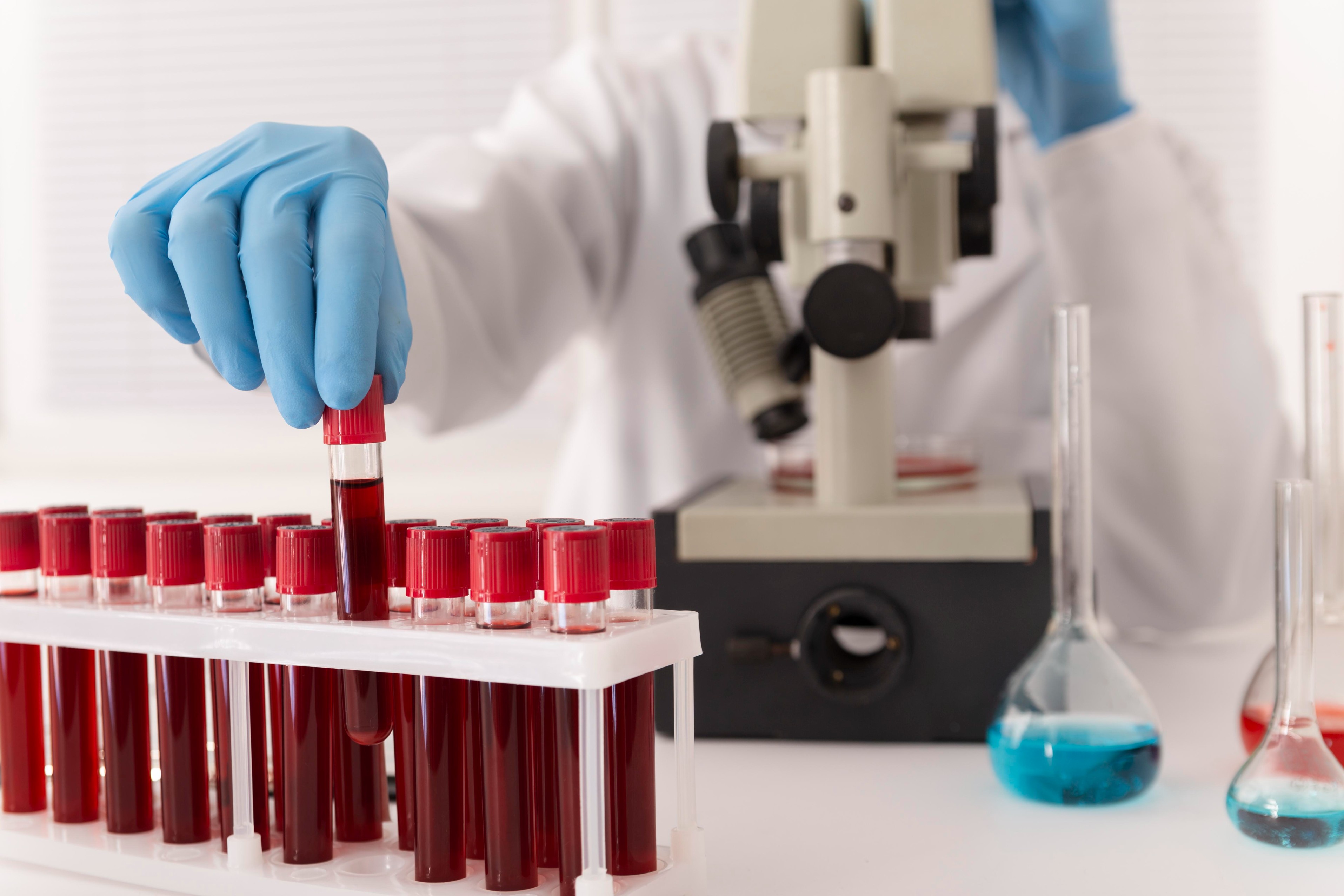
Motrjim Academy
Blood Analyses
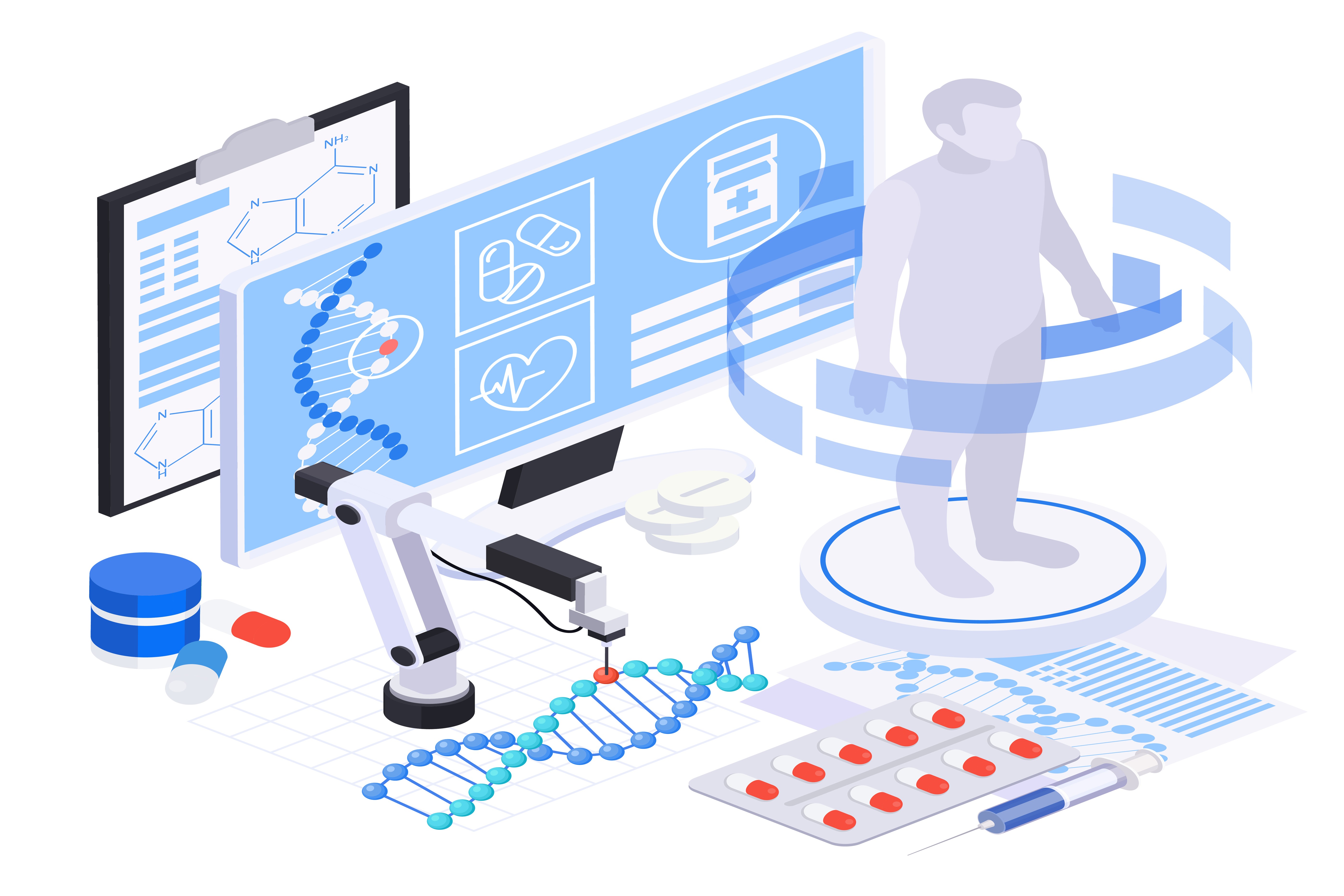
Motrjim Academy
Medical Articles
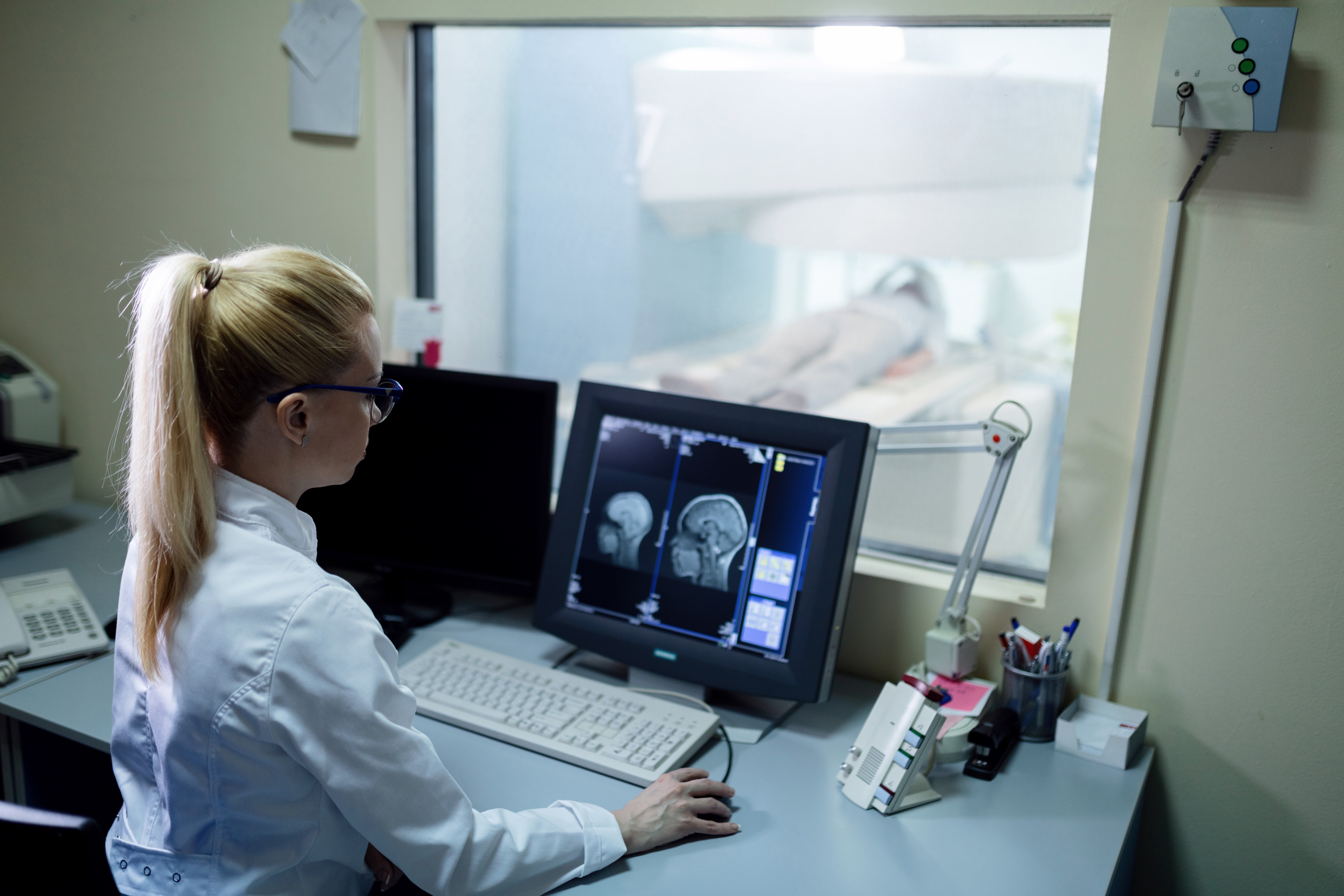
Scans Translation
MRI, MRA and MRV of the brain
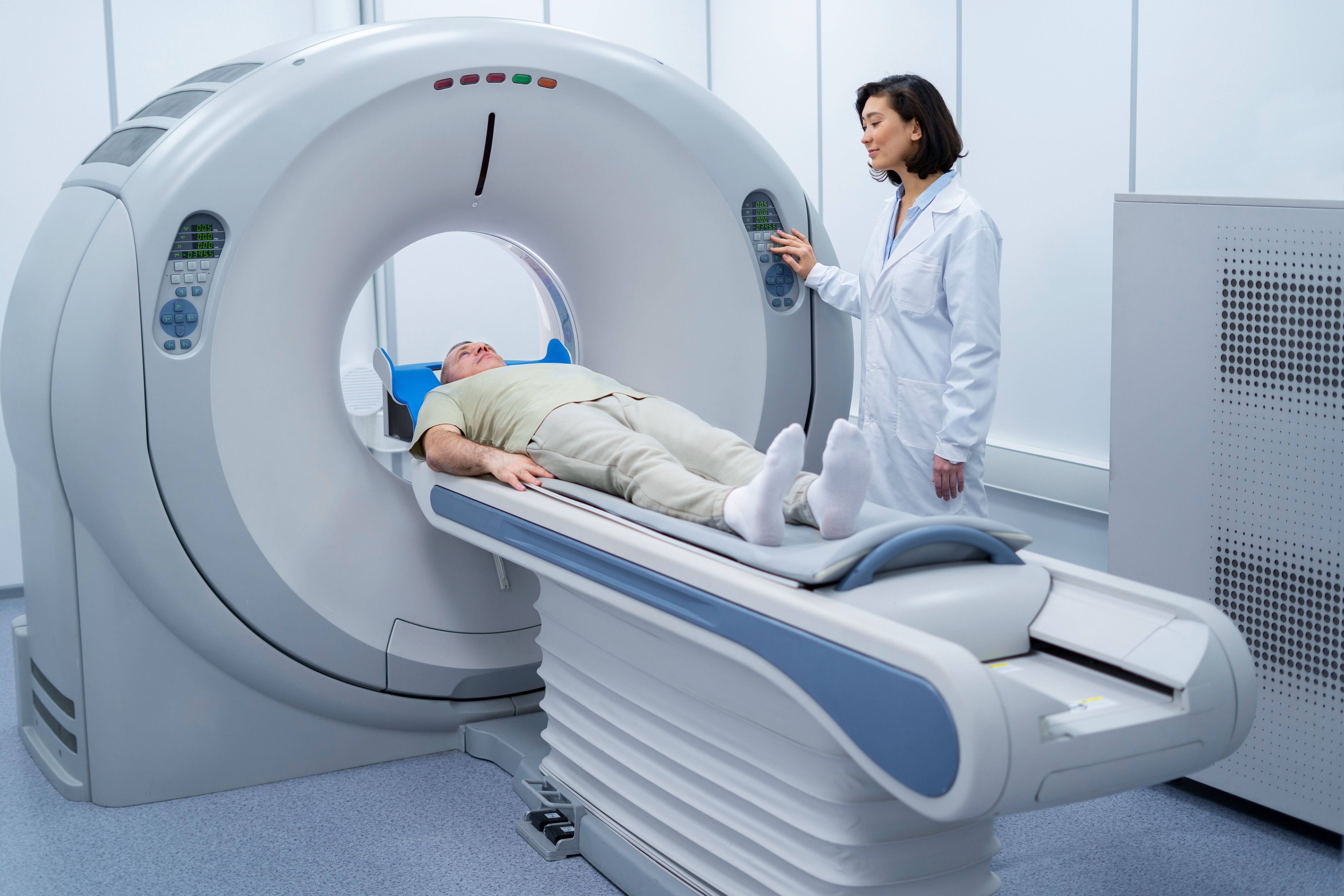
Scans Translation
Multi Slice Non Contrast CT
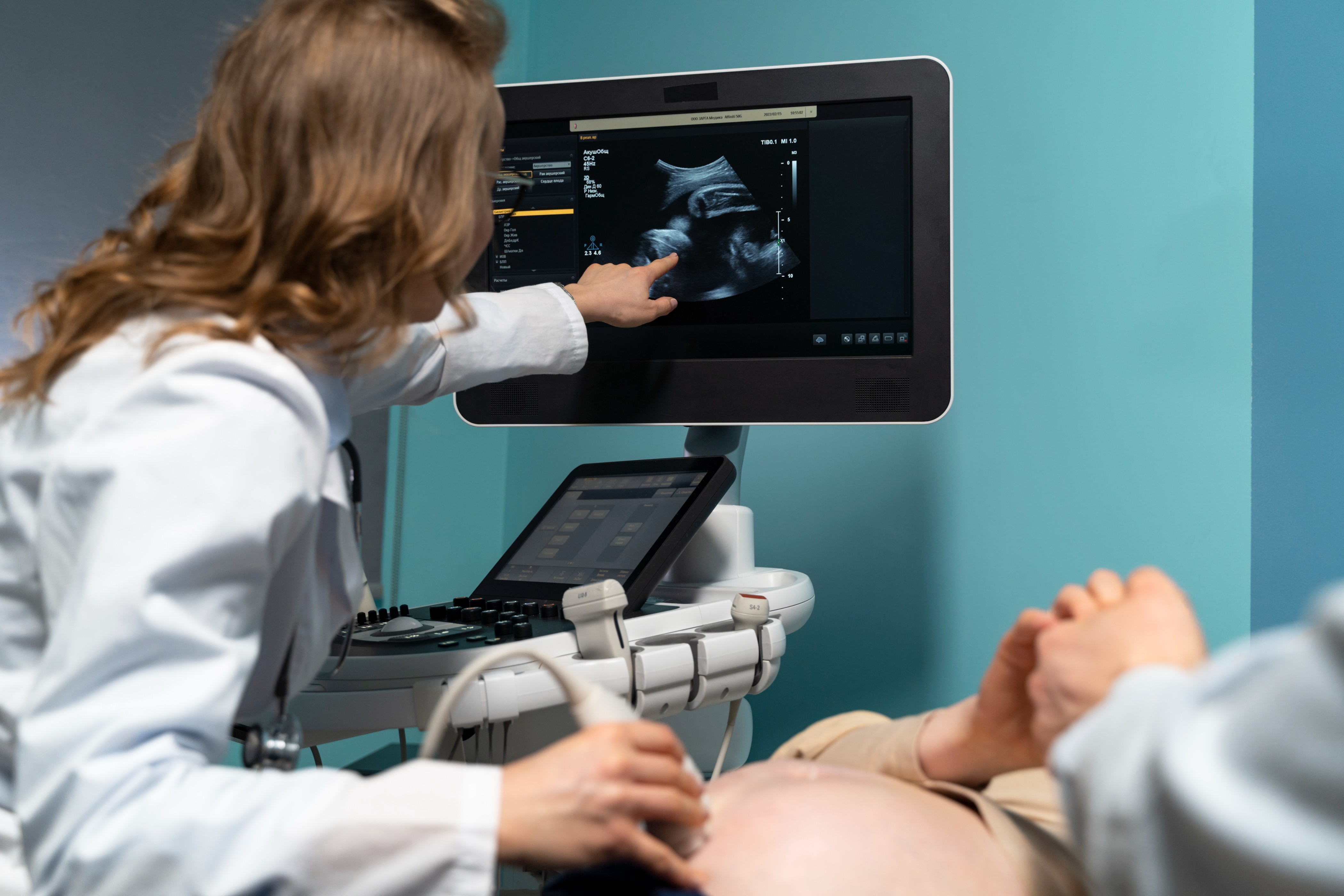
Scans Translation
DUPLEX & COLOR ULTRASOUND
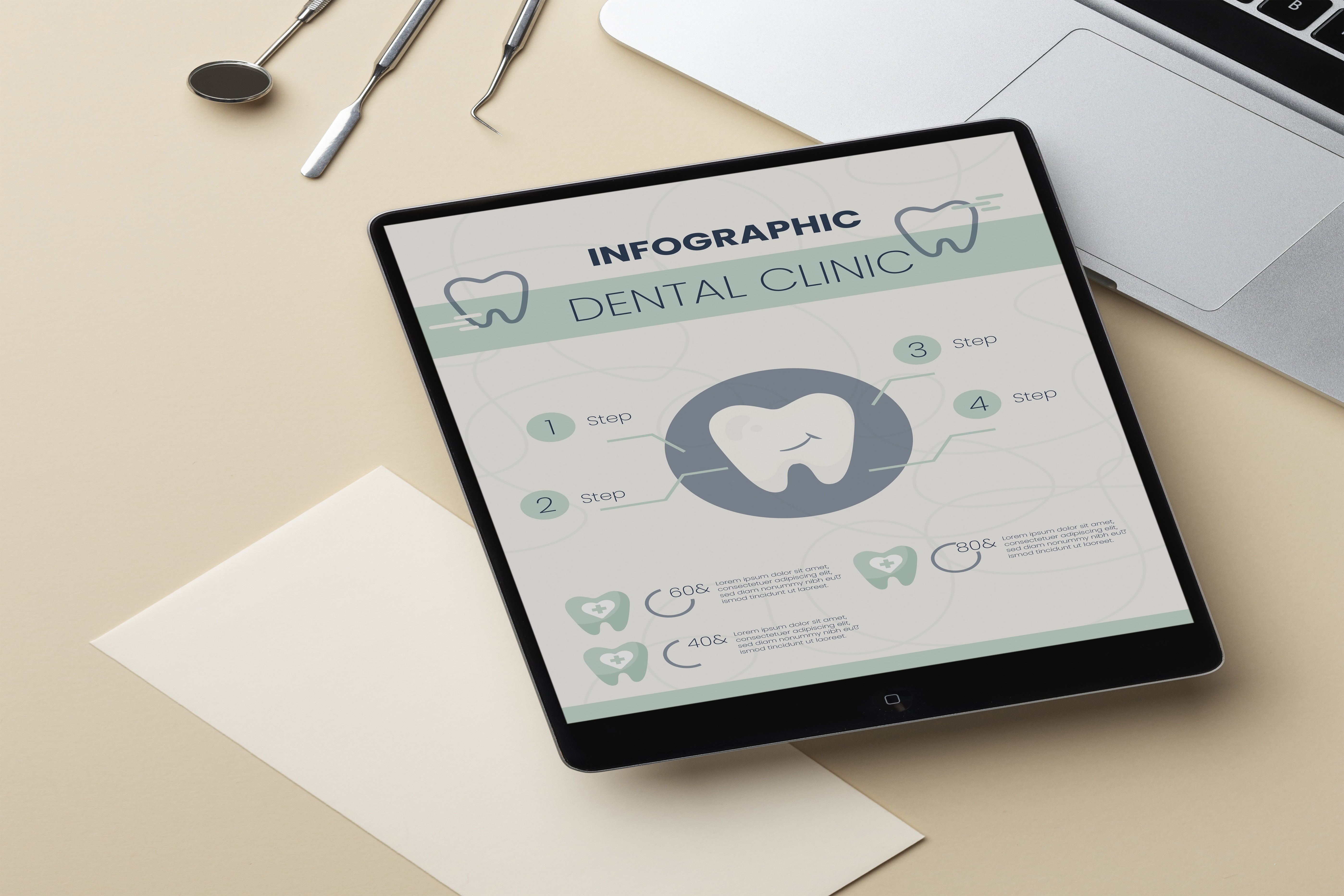
Dental student
Projects For Dental Students
×
![Project Image]()